
El Niño in Los Angeles: A Renter's Rainy-Season Checklist for 2026–27
How to get your apartment ready for a wetter-than-usual winter, plus free local resources for Los Angeles renters.
Forecasters have been talking about this winter for months. NOAA's Climate Prediction Center says a strong El Niño is in place, and its 2026–27 winter outlook favors wetter-than-normal weather across Southern California, with the heaviest rain most likely from January through March. The National Weather Service in Los Angeles adds a fair caution: El Niño shifts the odds toward more storms, but it does not guarantee them.
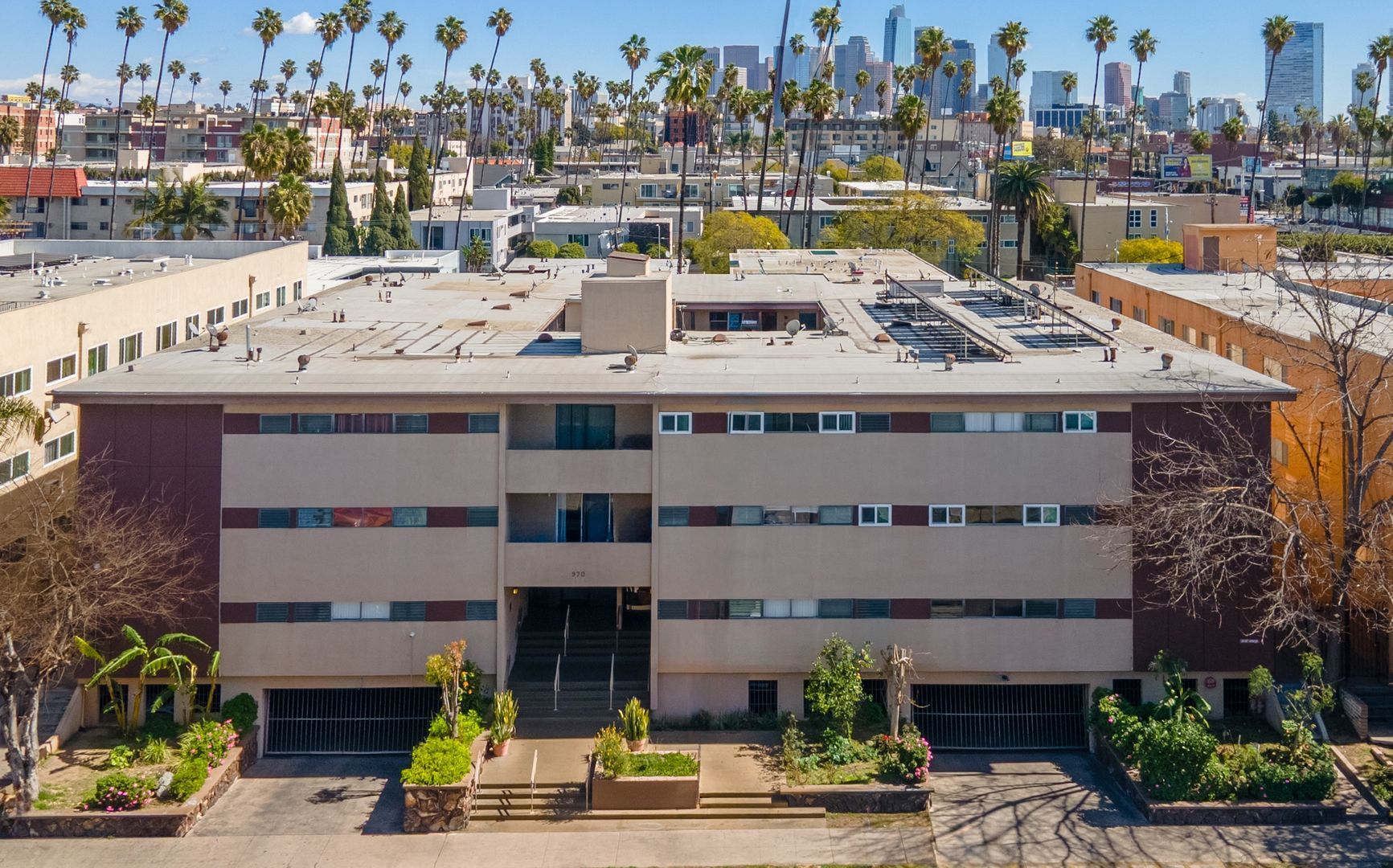
Either way, a little preparation now makes a wet winter much easier in an apartment. Here is a simple checklist for Los Angeles renters, from Koreatown to Highland Park.
Before the first big storm
- Check your windows and doors. Look for gaps, cracked caulking or worn weatherstripping, especially on balcony and patio doors. If you spot something, submit a maintenance request now rather than during a storm.
- Clear balcony and patio drains. Leaves and planters can block small drains and send water toward your door. Move pots away from drain openings.
- Look up. A new stain on the ceiling or around a window frame can be an early sign of a leak. Take a photo and let your property manager know.
- Lift valuables off the floor. Keep electronics, documents and rugs away from exterior doors and windows on rainy days.
- Review your renters insurance. Many standard renters policies cover water damage from a burst pipe but not flooding from outside. Check what yours includes, and keep photos of your belongings on file.
- Build a small outage kit. A flashlight, a charged power bank, spare batteries and a few days of any medication you rely on go a long way if the power goes out.
- Sign up for emergency alerts. NotifyLA (City of Los Angeles) and Alert LA County send free warnings about flooding, evacuations and road closures.
When it is raining
- Report leaks right away. Small drips become big repairs. Use our maintenance request page, and for an active leak or water coming into your home, call our emergency line at (213) 214-3790.
- Keep water away from outlets. If water is near an outlet, cord or appliance, do not touch it. Call the emergency line.
- Never drive or walk through flooded streets. Just a few inches of moving water can knock a person over or stall a car. Follow road closures and evacuation orders right away.
- Skip the beach for a few days. LA County health officials advise staying out of the ocean for at least 72 hours after rain because of runoff.
Keep your apartment dry and comfortable
Damp weeks can bring condensation and musty air, especially in bathrooms and closets. Run the bathroom fan during and after showers, crack a window when it is not raining, wipe condensation off window sills, and leave a little space between furniture and exterior walls so air can move. If you notice mold or a smell that will not go away, let us know.
Cooler, rainy days also mean more heating. To keep bills in check, never use a gas stove or oven to heat your home, set the thermostat a few degrees lower while you sleep or are out, and close blinds at night to hold in warmth. If you qualify by income, SoCalGas and LADWP both offer bill discount programs, such as SoCalGas's CARE program.
Helpful local resources
- Sandbags: LA County fire stations offer ready-to-fill sandbags, with sand at select locations. Details are at ready.lacounty.gov/rain.
- Shelter and assistance: Call 211 for emergency shelter information and other services during storms.
- Storm updates: The National Weather Service Los Angeles office posts forecasts and warnings at weather.gov/lox.
We are here to help
Our own team handles maintenance across our buildings, so if something comes up this winter, you know who to call. Residents can submit a request any time on our maintenance page or reach the office at (424) 438-2128.

